
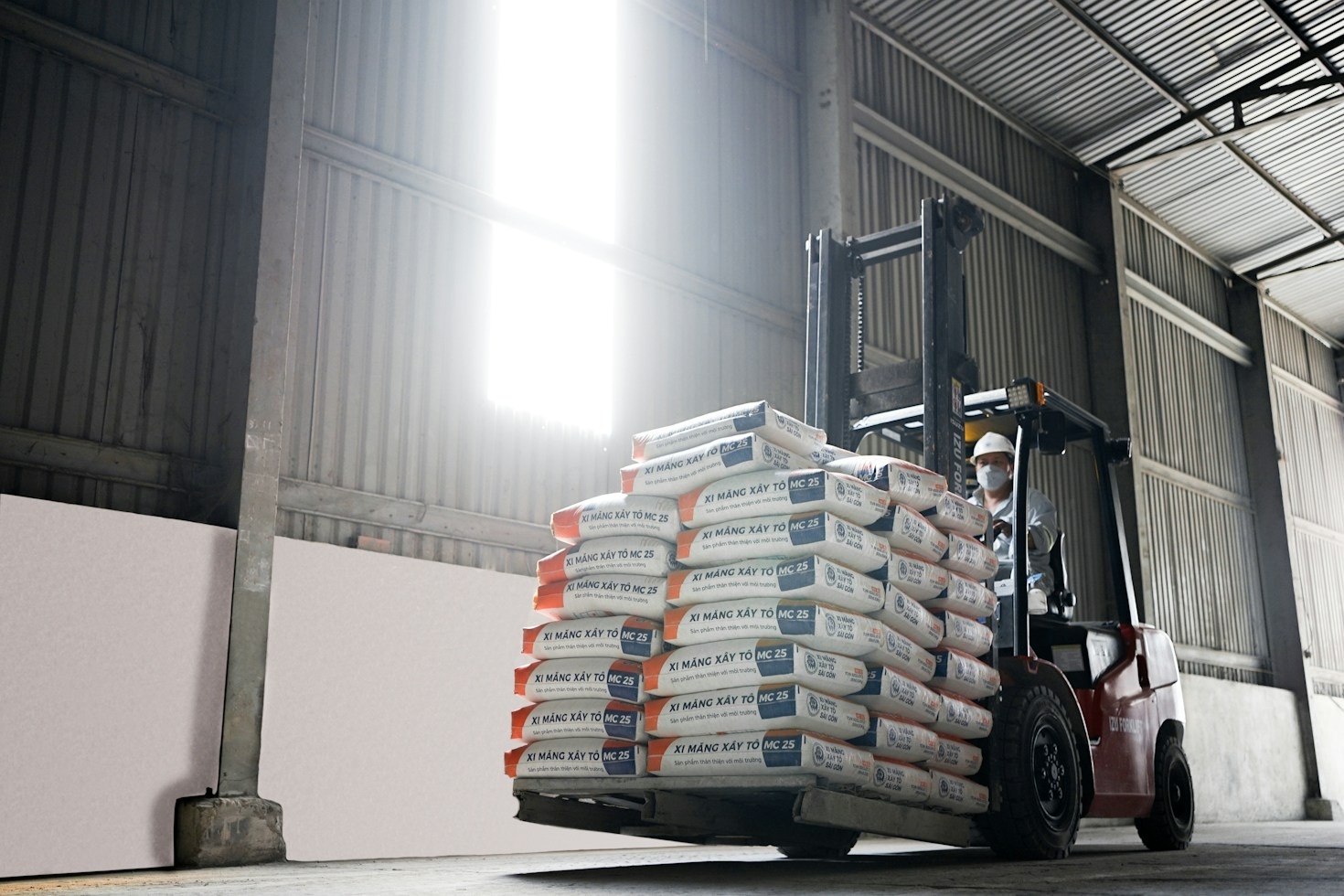
Successful construction projects depend on more than choosing the right materials. They also require careful planning to ensure that products arrive at the site when needed, remain in good condition during transport, and can be unloaded and stored safely.
For projects involving gypsum boards, ceiling channels, metal framing, plaster, and wall partition systems, poor logistics can lead to damaged materials, unnecessary handling, installation delays, and additional costs. Coordinating deliveries with construction activities helps contractors, developers, and property owners keep their projects organised.
At GypsumHub, our focus is on gypsum products and related construction materials for customers in Nairobi and across Kenya. In this guide, we explain how to plan local material deliveries, prepare construction sites, handle gypsum products safely, and manage logistics more efficiently.
What Is Construction Material Logistics?
Construction material logistics refers to the planning and coordination involved in moving materials from a supplier to a construction site and ensuring that they are received, handled, and stored appropriately.
For gypsum construction, logistics can involve more than transporting boards. An order may include metal studs, ceiling channels, jointing compounds, screws, plaster, corner beads, and other accessories required to complete an installation.
Effective logistics connects several activities:
-
Identifying the materials and quantities required.
-
Confirming product specifications before ordering.
-
Planning the delivery date and vehicle requirements.
-
Preparing the site for receiving materials.
-
Coordinating unloading and internal movement.
-
Inspecting products upon arrival.
-
Storing materials correctly before installation.
When these activities are coordinated, contractors can reduce avoidable disruptions and make better use of their time, labour, and construction budgets.
Why Local Logistics Matters for Gypsum Construction
Gypsum products are used in a wide range of interior construction projects, including residential ceilings, office partitions, commercial fit-outs, and decorative interior installations. Because many of these products must be handled carefully, logistics can directly influence project efficiency.
1. Keeping construction work on schedule
A gypsum installation often follows other construction activities. For example, a ceiling framework may need to be ready before gypsum boards are installed, while jointing compounds and finishing materials are needed at later stages.
If essential materials arrive too early, they may occupy valuable site space or remain exposed to damage. If they arrive too late, installers may have to wait before proceeding.
Planning deliveries around the construction programme helps align material availability with actual work requirements.
2. Reducing material damage
Gypsum boards can be damaged by impacts, bending, poor stacking, and exposure to moisture. Metal framing components can also become bent or damaged when loaded, transported, or stored carelessly.
Appropriate packaging, secure loading, careful unloading, and suitable storage help preserve the condition of the materials before installation.
3. Controlling avoidable costs
Poorly planned deliveries can result in additional handling, wasted labour time, material replacement, and unnecessary trips.
Accurate quantities, clear delivery instructions, and suitable transport arrangements help reduce these risks. They also make it easier to compare supplier quotations and understand the total cost of obtaining materials at the site.
4. Improving site organisation
Construction sites often have limited space for storing boards, framing components, and other supplies. Deliveries that arrive without a prepared receiving area can obstruct access routes or interfere with other trades.
Planning where materials will be unloaded and stored helps maintain a more orderly work environment.
5. Protecting workers during handling
Large gypsum boards can be awkward to move, especially through narrow corridors, staircases, and unfinished buildings. Proper access planning, suitable handling equipment, and adequate personnel help reduce the risk of injuries and product damage.
Essential Gypsum Materials to Include in Your Logistics Plan
A gypsum project may require several types of materials. Preparing a coordinated order helps reduce the likelihood of missing essential components once installation begins.
Gypsum boards
Gypsum boards form the visible surfaces of many ceiling and partition systems. Their dimensions, thickness, edge type, and performance characteristics should match the project requirements.
Before ordering, confirm the quantity, board type, and sizes required. Check whether any areas need moisture-resistant, fire-rated, or other specialised boards specified for the intended application.
Metal framing and ceiling channels
Metal studs, tracks, ceiling channels, furring channels, and related framing components provide the framework for many gypsum installations.
The type and quantity depend on the wall or ceiling design. Confirm the relevant profiles, dimensions, specifications, and connection accessories before arranging delivery.
Long framing components may also require suitable vehicle space and careful loading to minimise bending or damage.
Jointing compounds and finishing materials
Jointing compounds, fillers, tapes, corner beads, and other finishing products are often needed after boards have been installed.
These products should be ordered in quantities that correspond to the planned work. Follow their individual storage instructions, particularly where moisture, temperature, or container sealing affects product condition.
Plaster and skim-coat products
Some projects require gypsum plaster, acrylic skim coats, or other compatible finishing materials. The appropriate product depends on the substrate and intended finish.
Include the specified products in the order schedule and check their packaging condition and shelf life when receiving them.
Fasteners and installation accessories
Screws, anchors, connectors, and other accessories are easy to overlook when planning a large material order.
However, a shortage of small components can interrupt work even when sufficient boards and framing materials are available. Use a complete material checklist based on the installation specification.
How to Plan Gypsum Material Deliveries in Nairobi
Nairobi construction projects can involve different site layouts, delivery access arrangements, building heights, and storage limitations. Planning these details before dispatch helps reduce avoidable problems.
Step 1: Confirm the project requirements
Start by identifying the materials needed for the next stage of construction. Review the drawings, measurements, installation specifications, and material take-off.
For a gypsum ceiling, this may include boards, ceiling channels, suspension components, screws, jointing tape, and finishing compound. A partition project may require studs, tracks, additional reinforcement, and specified board layers.
Confirming the complete requirements helps prevent incomplete orders.
Step 2: Verify quantities and specifications
Check the quantity of each item before placing an order. Confirm board dimensions, thickness, framing profiles, finishing products, and accessories.
Where materials are supplied in different sizes or packaging quantities, ensure the order reflects the actual requirements rather than relying on rough estimates.
Allow for reasonable cutting waste according to the design and installation method, but avoid ordering excessive quantities without a clear reason.
Step 3: Confirm the delivery location
Provide clear delivery information, including the site address, a useful landmark where appropriate, and the name or contact details of the person receiving the materials.
For sites in built-up areas, confirm vehicle access, available parking or loading space, and any restrictions that could affect unloading.
If the site is within a managed building or construction complex, check whether deliveries need to be coordinated with security, building management, or the site supervisor.
Step 4: Agree on the delivery schedule
Discuss the required delivery date and expected receiving arrangements before dispatch.
The delivery schedule should reflect construction progress, site readiness, available storage, and the timing of installation work.
Do not assume that every order can be delivered on the same day. Confirm the availability of the required products and the delivery arrangement with the supplier.
Step 5: Prepare the receiving area
Before the materials arrive, identify a safe location where the vehicle can stop and the products can be unloaded.
Make sure the route to the storage area is accessible and that other construction activities will not obstruct the movement of materials.
Where possible, locate the storage area near the intended work area while maintaining safe access and keeping materials away from hazards.
Step 6: Confirm the order before unloading
The person receiving the delivery should have access to the order details or delivery note.
Check that the products and quantities match the order, and inspect visible packaging for signs of damage or moisture exposure. Record any discrepancies and notify the supplier promptly.
This process helps establish a clear record of the condition of the materials upon arrival.
Transporting Gypsum Boards Without Damage
Gypsum boards require careful handling because they can crack, break at the edges, or become damaged if bent or exposed to unsuitable conditions.
The following practices help reduce the risk of damage during local transport.
Use suitable transport arrangements
The vehicle should have enough space and capacity for the dimensions, quantity, and weight of the materials being transported.
Boards should be supported appropriately and secured against movement during transit. Avoid arrangements that cause excessive bending, unsupported overhang, or pressure on vulnerable edges.
Framing components and accessories should also be loaded in a way that minimises movement and damage.
Protect boards from rain and moisture
Gypsum panels should be protected from rain, water splashes, and other sources of moisture during transport.
Where protective covering is used, it should be secured appropriately while allowing the materials to be handled and stored as recommended. Avoid leaving boards exposed to wet conditions while waiting for unloading.
Moisture exposure can affect the condition of gypsum boards and may compromise their suitability for installation.
Handle boards carefully during loading
Avoid dropping, dragging, or throwing boards. Rough handling can damage corners, edges, and surfaces, creating additional waste or finishing work.
Where mechanical handling equipment is available and suitable, use it according to the equipment instructions and site safety requirements.
For manual handling, plan the lift, provide sufficient assistance, and use a method appropriate to the size and weight of the boards.
Minimise unnecessary handling
Repeatedly moving materials from one storage area to another increases the risk of damage and uses additional labour.
Where practical, plan the delivery route so that materials can be moved directly to an appropriate storage area near the installation location without obstructing other site activities.
The Gypsum Association provides guidance on the handling and storage of gypsum panel products, emphasising the importance of keeping panels dry and protecting them from damage.
Preparing Your Construction Site for Delivery
A successful delivery requires more than an accessible road. The receiving area and route into the building must also be suitable for the materials.
Check vehicle access
Confirm whether the delivery vehicle can reach the site and manoeuvre safely. Consider narrow entrances, overhead restrictions, sloping access routes, limited turning space, and other obstacles.
If a large vehicle cannot reach the intended unloading point, arrange a suitable alternative before dispatch rather than waiting until the vehicle arrives.
Provide sufficient unloading space
Clear the unloading area of unnecessary equipment, debris, and other materials. Keep pedestrian routes and emergency access clear.
Where unloading equipment is required, confirm that it can reach the designated area and that the ground or floor can safely accommodate its use.
Plan internal movement
Materials may need to pass through doorways, corridors, staircases, lifts, or other restricted spaces before reaching the installation area.
Check these routes in advance, particularly for large gypsum boards and long metal framing components. Confirm that the materials can be moved without damaging the boards, building finishes, or existing services.
Coordinate with other trades
Gypsum deliveries may overlap with electrical work, plumbing, painting, flooring, and other construction activities.
Inform the relevant site personnel about the planned delivery so that unloading does not interfere with ongoing work or create avoidable congestion.
Storing Gypsum Materials After Delivery
Proper storage is an essential part of gypsum material logistics. Products that arrive in good condition can still become damaged if stored incorrectly.
Store gypsum boards in a dry, protected area
Keep boards in an enclosed or adequately covered location protected from rain, ground moisture, and other sources of water.
Follow the manufacturer’s storage instructions and use suitable support so that the boards remain stable and are not subjected to damaging bending or uneven loading.
Avoid placing gypsum boards directly on damp ground or in areas where leaks, wash water, or other moisture sources may affect them.
Keep materials organised
Separate gypsum boards, framing components, fasteners, and finishing products so that workers can identify and retrieve the correct materials.
Clearly organised storage helps reduce unnecessary movement and makes it easier to monitor stock levels.
Protect metal framing components
Store metal studs and channels in a manner that helps prevent bending, physical damage, and exposure to conditions that could cause deterioration.
Keep components arranged securely and avoid placing excessive loads on unsupported lengths.
Follow product-specific storage requirements
Jointing compounds, skim coats, plaster, adhesives, and other products may have different storage conditions and shelf-life limits.
Keep packaging intact until the materials are needed, and follow the manufacturer’s instructions regarding temperature, moisture, and handling.
The Gypsum Association’s guidance on handling and storage is a useful reference for gypsum panel products.
Managing Delivery Costs for Gypsum Materials in Kenya
The total cost of obtaining construction materials at a project site depends on more than the listed product prices. Transport arrangements, quantities, unloading, and site conditions can all influence the final expenditure.
Order materials in coordinated quantities
Combining compatible materials into a planned order may reduce avoidable trips and simplify receiving arrangements. However, the order should still match the construction schedule and available storage capacity.
For example, ordering all the materials required for an entire project at once may not be practical if the site has limited protected storage space.
Compare complete quotations
When comparing suppliers, consider the product specifications, quantities, transport arrangements, unloading responsibilities, and any additional charges.
A lower material price may not represent the lowest overall cost if delivery, handling, or other requirements are excluded.
Ask for clarification where the quotation does not explain what is included.
Avoid premature deliveries
Delivering materials long before they are needed can increase storage pressure and expose products to site damage.
Plan deliveries around the construction programme so that materials arrive when the site is ready to receive them and the installation is approaching.
Reduce waste through accurate measurement
Careful measurements and a well-prepared material schedule help avoid excessive ordering and unnecessary offcuts.
For gypsum boards, consider the room dimensions, board layout, openings, and installation requirements when calculating quantities. Framing materials and accessories should be calculated according to the specified system.
Consider unloading requirements
Some sites require additional labour or suitable equipment to move materials from the vehicle to the designated storage area.
Confirm who is responsible for unloading and internal movement before the delivery takes place. This helps avoid unexpected arrangements and delays.
Common Logistics Mistakes to Avoid
Even when the right materials have been selected, poor coordination can disrupt the project.
Ordering without accurate measurements. This can lead to shortages, excess stock, and avoidable waste.
Providing unclear delivery instructions. Incomplete directions or missing site contact details can complicate access and receiving arrangements.
Ignoring storage conditions. Leaving gypsum boards exposed to moisture or storing them on unsuitable surfaces can damage materials before installation.
Failing to coordinate delivery timing. Materials may arrive when the site is not ready, the receiving area is occupied, or the installation team is unavailable.
Overlooking accessories. Missing screws, channels, jointing tape, or finishing compounds can interrupt work even when the main materials have arrived.
Failing to inspect deliveries. Not checking quantities and visible damage can make it more difficult to resolve discrepancies later.
Assuming every vehicle can access the site. Restricted entrances, narrow access roads, and limited unloading space should be considered before arranging transport.
Ordering specialised products without confirmation. Always verify the availability and specifications of the required board type, framing profile, or finishing material before finalising the delivery plan.
A Practical Checklist for Your Next Gypsum Delivery
Use this checklist when preparing an order for a gypsum ceiling, partition, or interior finishing project.
- Confirm the measurements and material quantities.
- Verify the board type, dimensions, and thickness.
- Confirm metal framing profiles and required accessories.
- Include jointing compounds, fasteners, and finishing materials where needed.
- Agree on the delivery date and arrangements with the supplier.
- Provide clear site directions and a receiving contact.
- Check vehicle access and unloading space.
- Prepare a dry, protected storage area.
- Ensure the site has sufficient assistance or suitable equipment for unloading.
- Inspect the products and quantities on arrival.
- Record any visible damage or discrepancies.
- Store materials according to the manufacturer’s instructions.
Completing these steps before dispatch can make material receiving more predictable and help keep the project organised.
How GypsumHub Supports Your Material Planning
At GypsumHub, our focus is on gypsum boards, ceiling materials, wall partition systems, and related construction products for projects in Nairobi and across Kenya.
We recognise that choosing suitable materials is only one part of preparing for a successful installation. Contractors, fundis, developers, and property owners also need to consider quantities, product compatibility, delivery arrangements, and site readiness.
When enquiring about materials, it helps to provide the following information:
-
The type of project, such as a gypsum ceiling or partition.
-
The approximate dimensions or quantities required.
-
The board types and framing specifications, if already determined.
-
Your project location in Nairobi or elsewhere in Kenya.
-
Your preferred delivery date and any relevant site-access requirements.
These details help clarify the order requirements and allow delivery arrangements to be discussed before dispatch. Confirm product availability, delivery timing, and any applicable transport or unloading charges directly with the supplier.
Our aim is to help customers plan their gypsum material requirements more clearly and make informed decisions for their construction projects.
Frequently Asked Questions About Local Building Material Logistics
How should I plan gypsum board delivery for a construction project?
Start by confirming the required quantities and specifications, then agree on a suitable delivery date. Check site access, unloading arrangements, and protected storage before the materials are dispatched. Coordinate delivery with the construction schedule to reduce unnecessary handling.
How should gypsum boards be stored after delivery?
Store gypsum boards in a dry, protected area and follow the manufacturer’s instructions for support and stacking. Protect them from rain, ground moisture, and physical damage. Avoid leaving panels exposed to damp conditions before installation.
What information should I provide when requesting a gypsum material quotation?
Provide the type of installation, approximate measurements, required board specifications, framing components, accessories, project location, and preferred delivery date. If the design is already available, the material schedule can help clarify the quantities.
Can gypsum boards be delivered with metal framing and accessories?
This depends on the products ordered and the supplier’s arrangements. Confirm which items are available, whether they can be included in the same order, and how they will be transported and unloaded.
What affects the cost of local material delivery in Kenya?
The total cost may depend on the order size, delivery distance, vehicle requirements, site access, unloading arrangements, and the supplier’s delivery terms. Request a quotation that clearly explains the applicable charges.
Should I order all my gypsum materials at once?
Not necessarily. The best approach depends on the project schedule, available storage, material availability, and the risk of damage. Some projects benefit from staged deliveries that match the progress of installation.
What should I do if gypsum boards arrive damaged?
Inspect the delivery before signing off where practicable. Record visible damage, take photographs where useful, and notify the supplier promptly. Follow the agreed procedure for reporting discrepancies and arranging any appropriate resolution.
Does GypsumHub serve customers outside Nairobi?
GypsumHub’s stated service focus is Nairobi and the wider Kenyan market. For a project outside Nairobi, confirm the delivery location, product availability, and transport arrangements directly with GypsumHub before placing an order.
Conclusion
Effective local logistics helps construction teams obtain the right materials, protect them before installation, and coordinate deliveries with the work taking place on site. For gypsum projects, careful handling and dry storage are particularly important because damaged or moisture-affected boards can create additional costs and delays.
By confirming quantities, planning vehicle access, preparing the receiving area, inspecting deliveries, and following product storage instructions, contractors and property owners can make material management more efficient.
At GypsumHub, we focus on gypsum products and related construction materials for customers in Nairobi and across Kenya. Careful planning helps you make better use of the materials required for your next ceiling, partition, or interior finishing project.
Planning a gypsum ceiling or partition project? Contact GypsumHub to discuss your material requirements and delivery arrangements in Nairobi or elsewhere in Kenya.
Leave a Reply